Beyond the blueprint: 3D Modelling and BIM
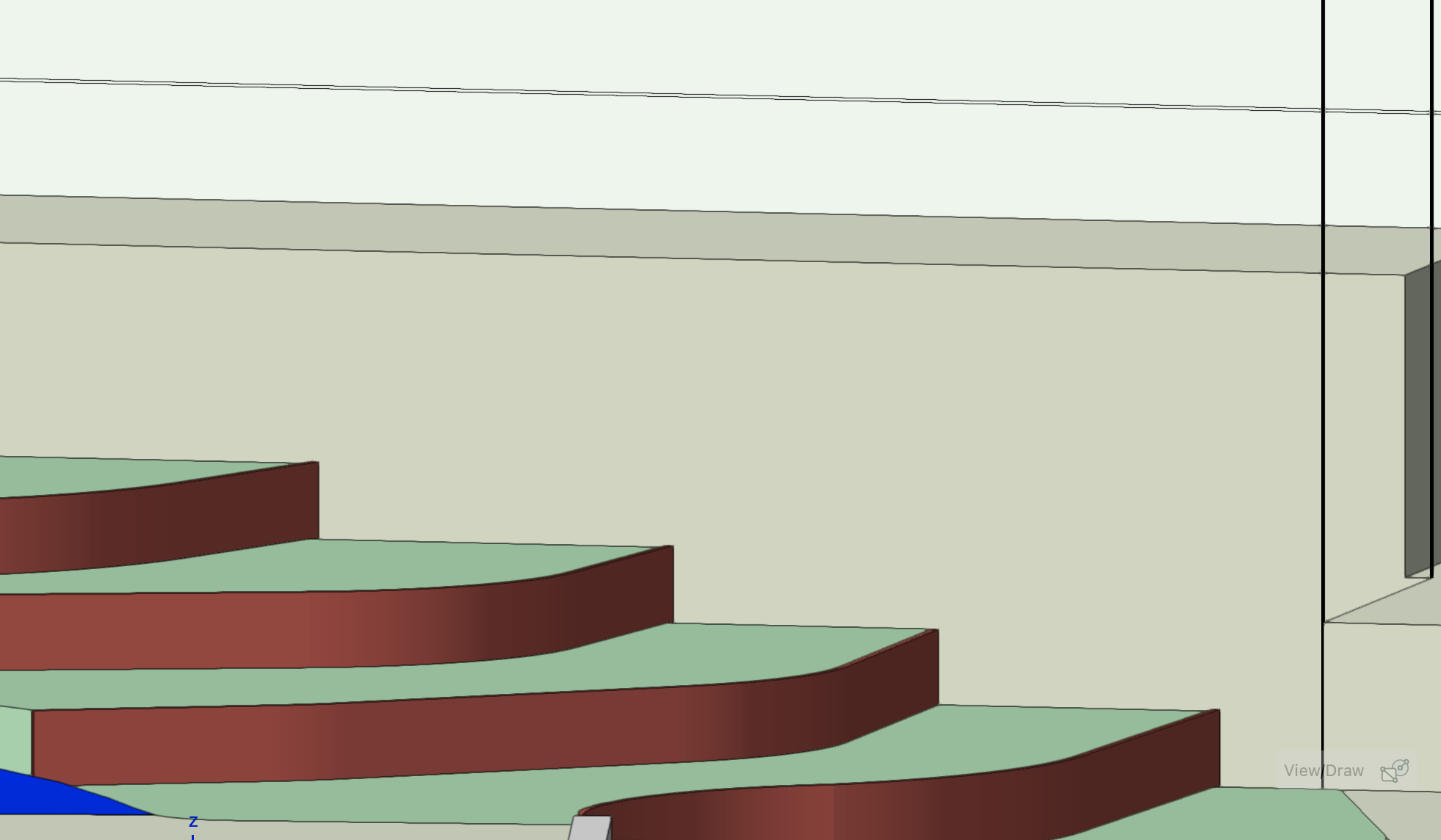
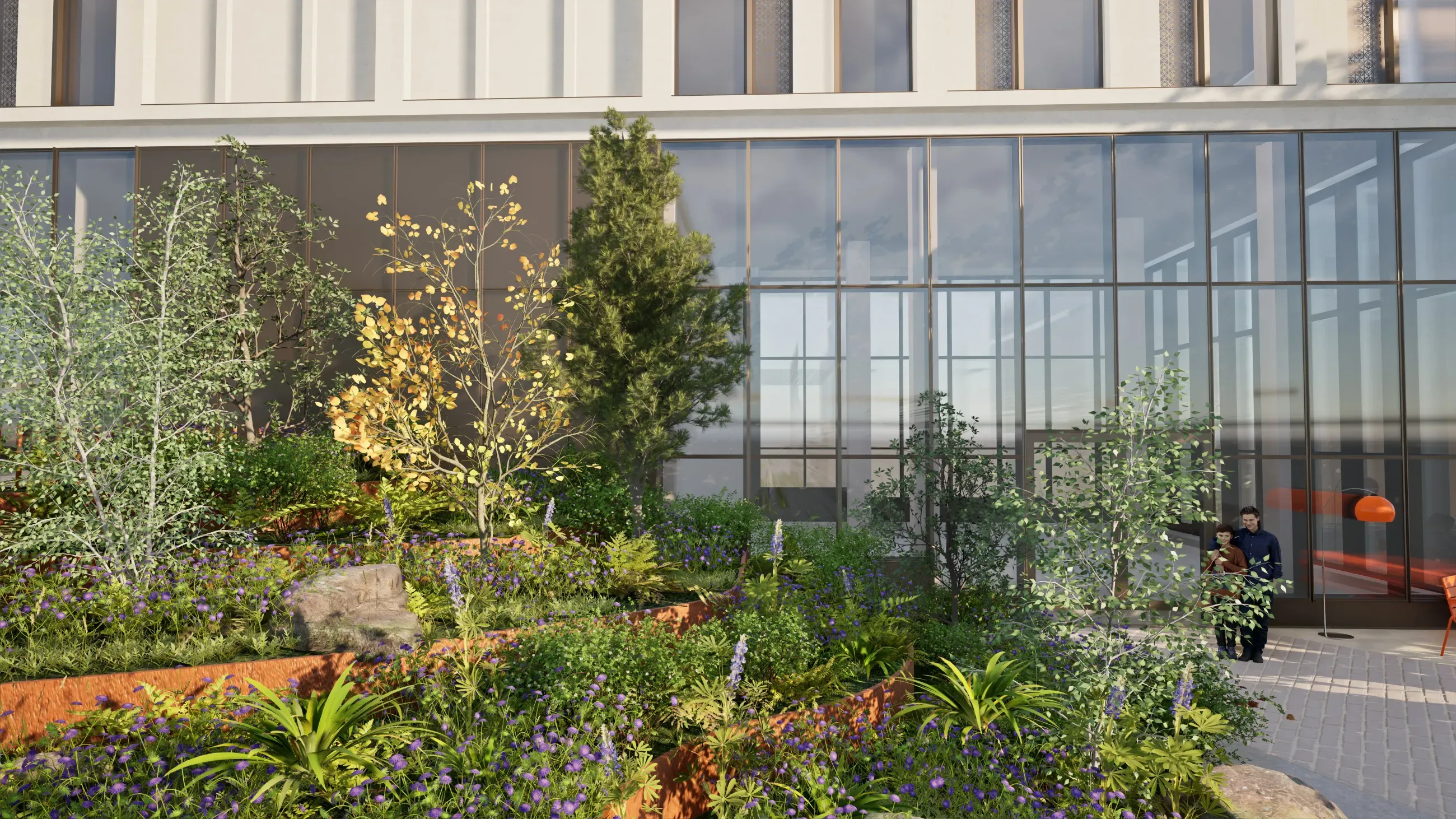
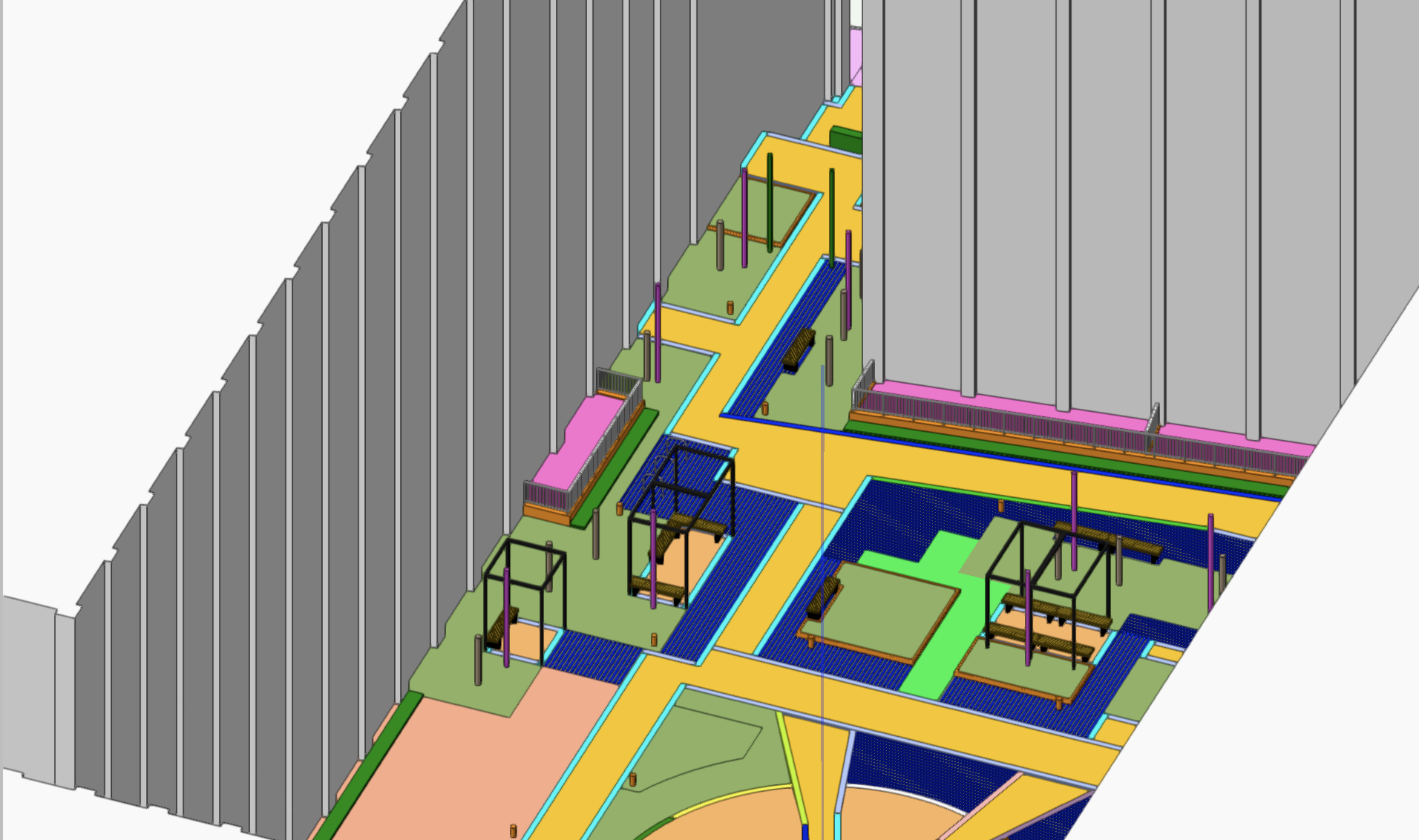
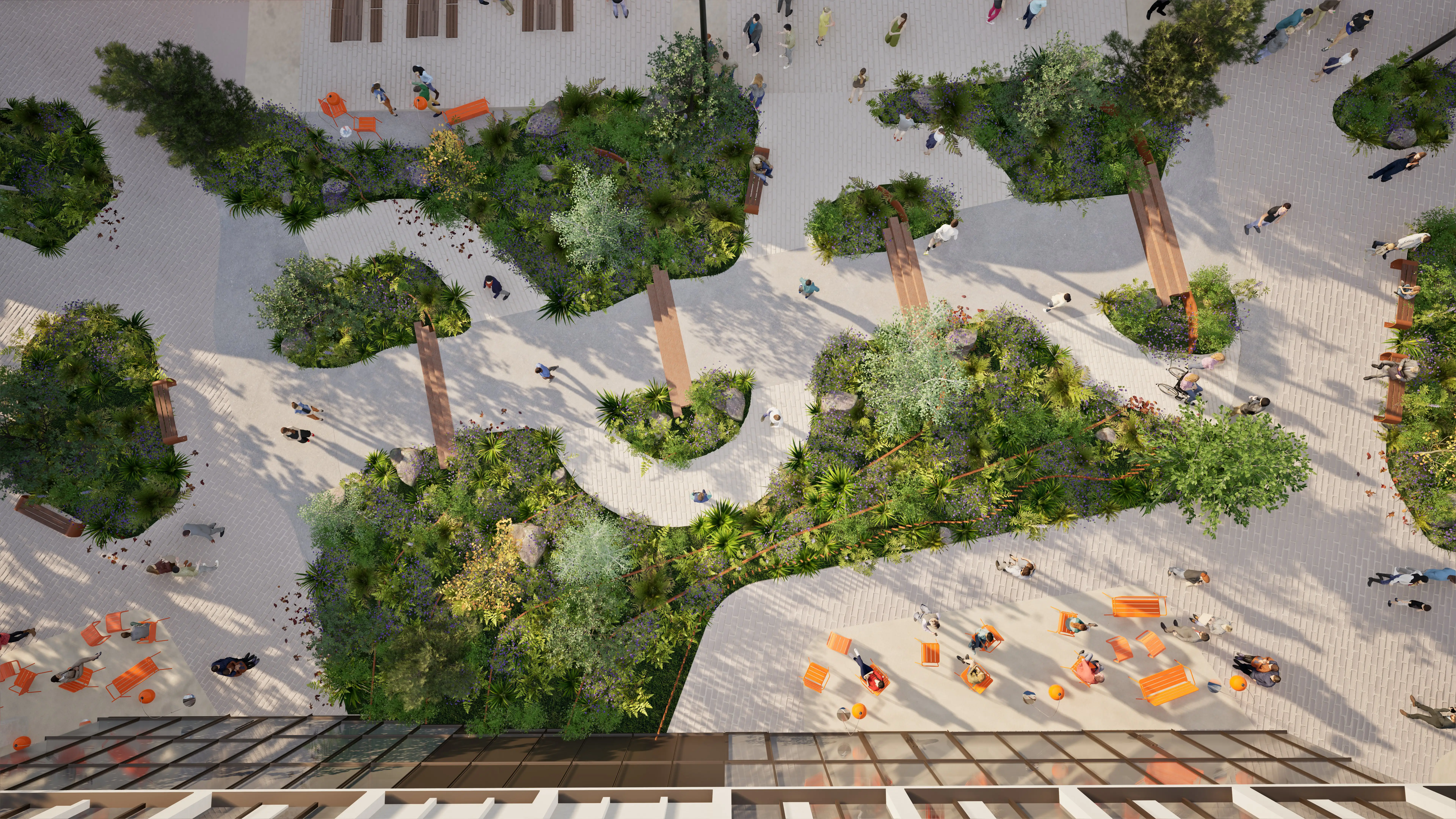
At Layer.studio, our advanced 3D and B.I.M. capabilities allow us to build and test living landscapes digitally before a single spade hits the ground.
Discover how we are combining creative vision with technical precision to shape the future of urban design.
Every landscape scheme starts the same way: a strong idea, a good plan, a client who can picture it. Very few schemes are lost at that stage. They're lost - or won - much later, in the thousand small decisions that turn a drawing into a place: the level at which a path meets a threshold, the depth of a tree pit, the sequencing of drainage against services, the tolerance between a kerb and a column.
Get those wrong and the devil shows up fast. A retaining detail that doesn't account for surcharge loading becomes a defect. A planting specification that ignores the true root volume becomes a dead avenue five years after the ribbon is cut. A public realm scheme designed without reference to the services strategy becomes a six-month coordination headache for the contractor, and a six-figure variation for the client. None of these are design failures in the way anyone talks about at planning committee. They're detail failures and they're the ones that actually cost money, delay programmes, and end up in dispute.
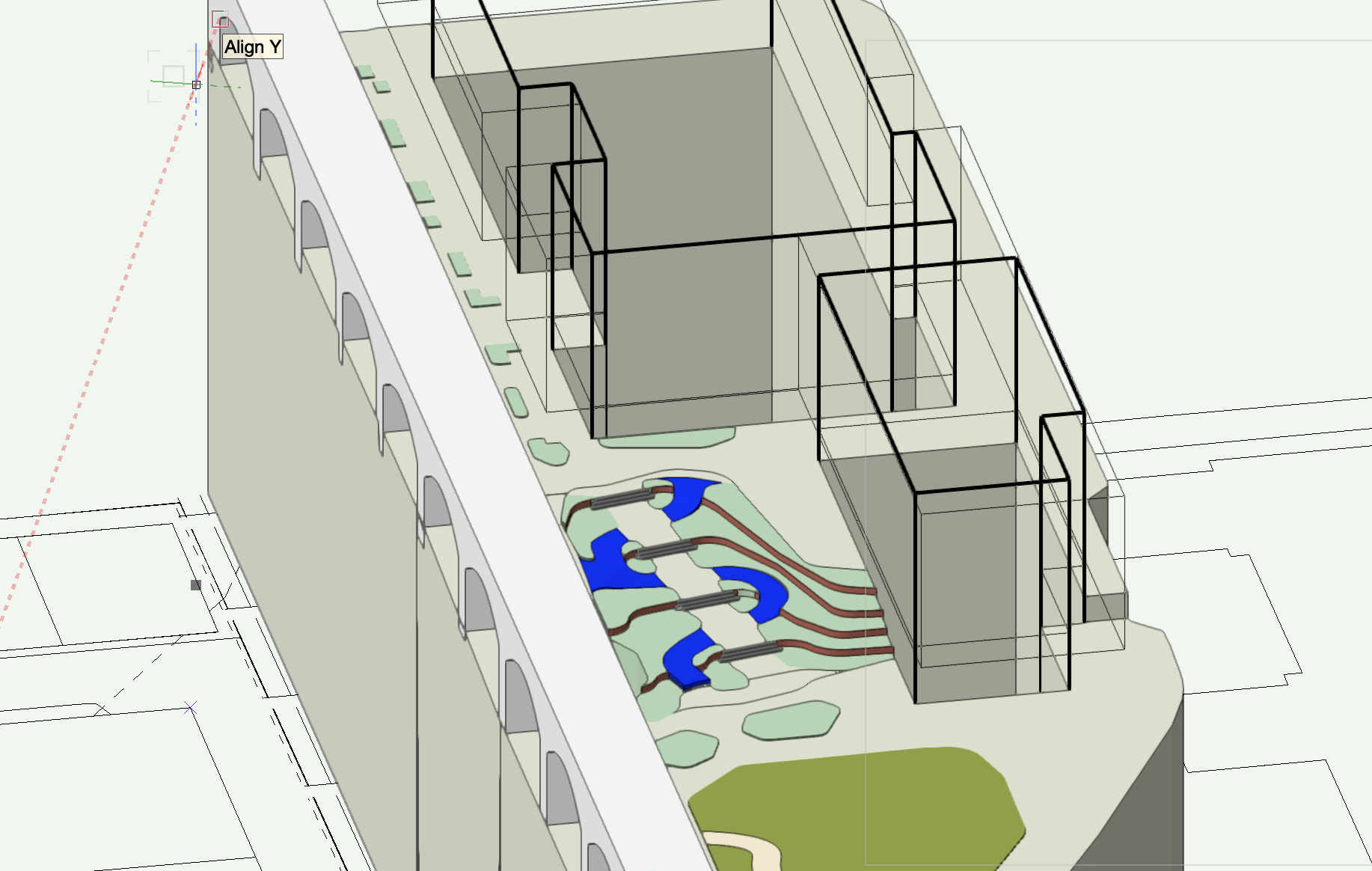
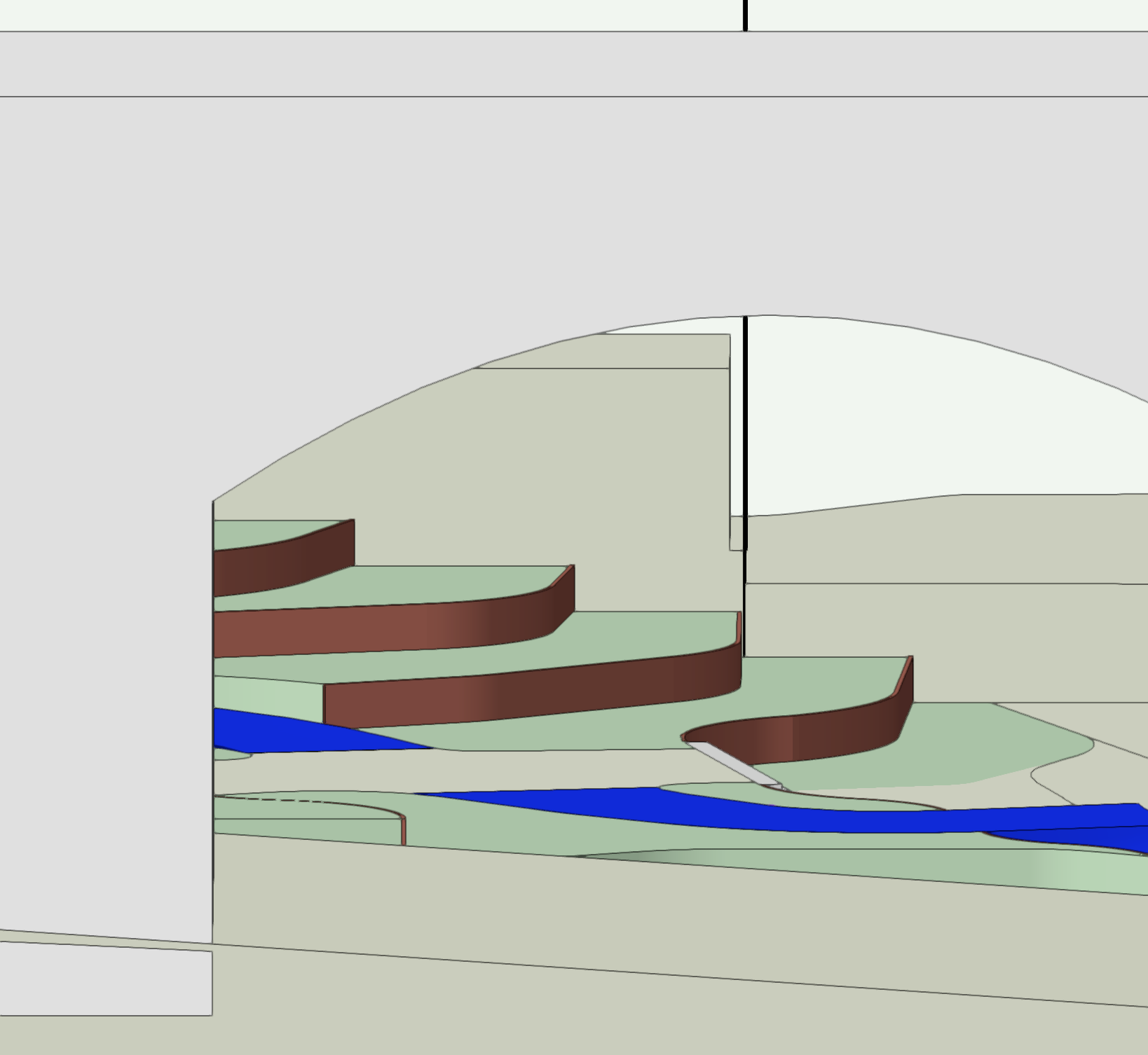
Get the detail right, and something closer to grace happens. A public square drains itself without anyone noticing it was ever a problem. A street tree survives, because the pit, the soil volume, and the utilities were coordinated before a single service trench was dug. A contractor builds from the drawings without a stream of RFIs, because the detail answered the question before the site team had to ask it. Nobody applauds this. Nobody photographs a well-detailed falls diagram. That's precisely why it matters; the reward for excellent detail is that it disappears into the finished place, and the scheme simply works.
This is where BIM earns its keep, and it's also, we've realised, where we haven't been telling our own story well enough. At Layer.studio we can integrate 3D conceptual modelling and BIM that means our landscape models are coordinated against architecture, structure and services from an early stage, clash-checked before issues reach site, and data-rich enough to carry through into specification, cost planning, and BNG and habitat calculations that hold up under scrutiny. It's the difference between a landscape design that sits alongside a project and one that's genuinely built with it.
And it means our detailed design goes further than a lot of landscape practices take it, down into construction detailing, buildability, and the coordination that turns a well-loved concept into a scheme a contractor can actually deliver without surprises. We've had it fed back to us recently that clients haven't always known this capability was there. Fair challenge. If the detail is doing its job, it's invisible, which is exactly why we need to say it out loud.
So: the devil is in the detail. But if you get it right, it is the god of the thing - the quiet, unglamorous, unphotographed reason a place works, lasts, and needs no explanation. That's the work we do underneath the concept, in BIM, down to the last detail. It's always been there. We're just done being quiet about it.
Click to play the video.