
Project Focus: Putting Community Power into Practice in Penrith
A forward-thinking engagement strategy that achieved genuine community engagement with the people of Penrith on how to improve a locally-important public park.
Castle Park, a historic municipal park containing the ruins of Penrith Castle, had become neglected, leading Westmorland & Furness Council to commission a development plan to guide its future restoration and improvement.
The Castle was held in high regard amongst local people and had been the subject of various ongoing discussions about its potential future over the years. With the community having engaged in previous conversations, the challenge was to build trusted relationships and demonstrate that their involvement would have an impact, ensuring their views would inform the park’s development plan from the outset.
With the council recently adopting its Community Power Strategy, the timing presented the perfect opportunity to put those principles into practice and facilitate meaningful engagement with a broad cross-section of the community.
A Phased Engagement Plan
Our phased engagement plan kicked off early doors by simply inviting the community to reflect on their experiences of Castle Park and the qualities they value most.
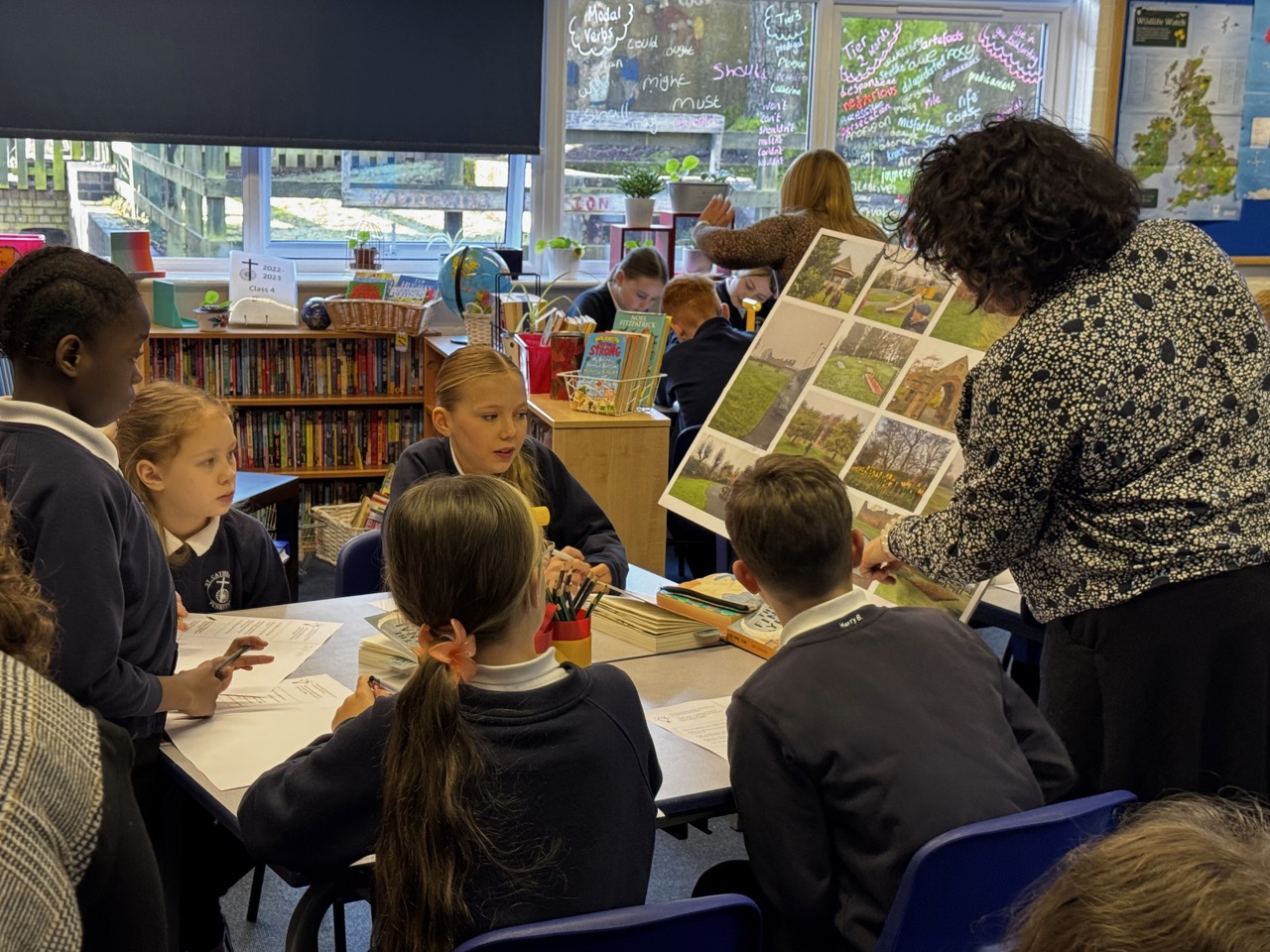
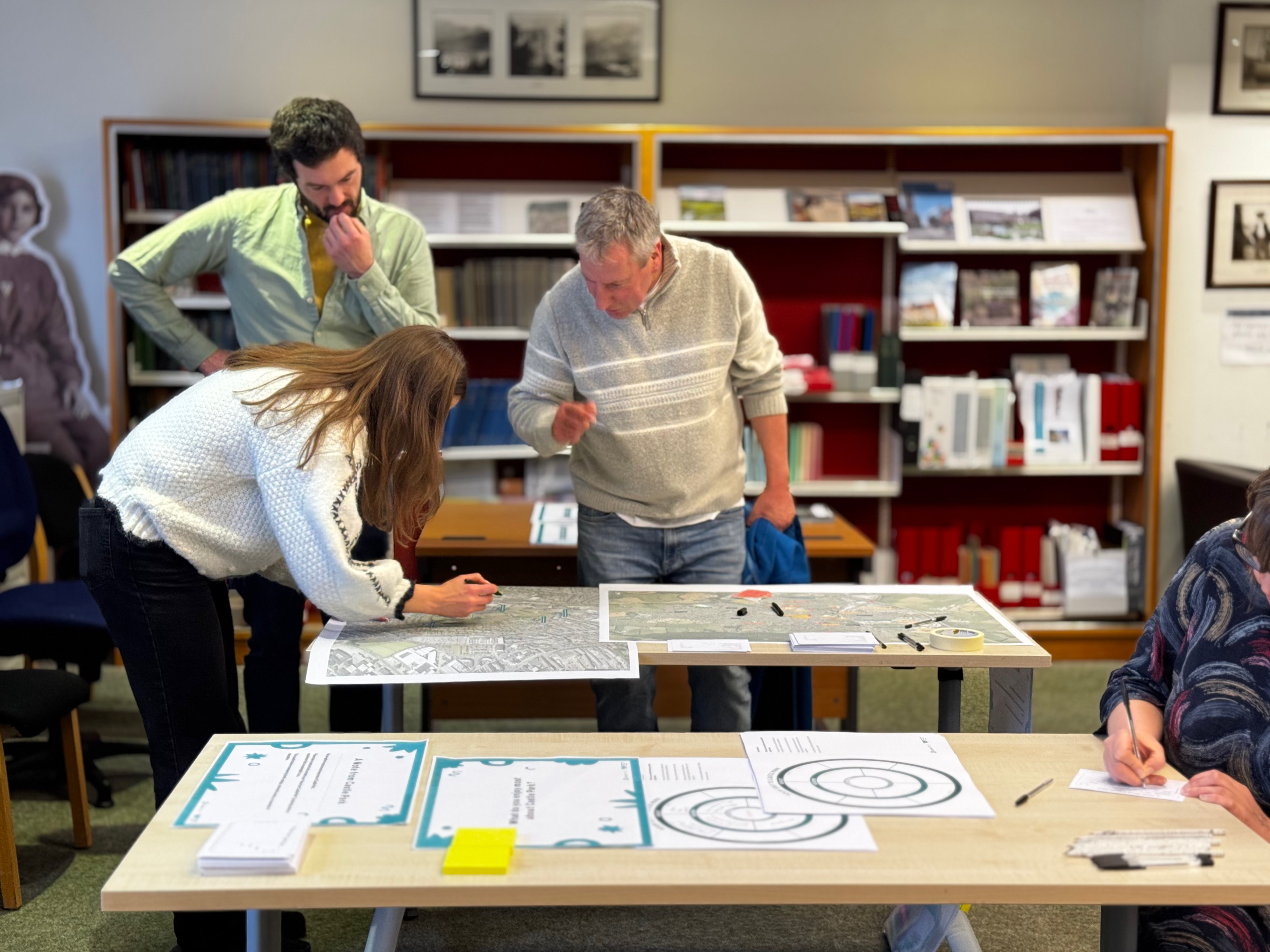
It was important that we didn’t come brandishing sketch proposals. Instead, through a wide variety of creative exercises, we sought to understand residents’ and key stakeholders’ experiences and priorities. We worked with children and young people from local schools, alongside a series of drop-in events for members of the public. We also delivered postcards to care home residents, inviting them to send a “Note from Castle Park”, ensuring those who might otherwise have been excluded from in-person or online events could still participate.
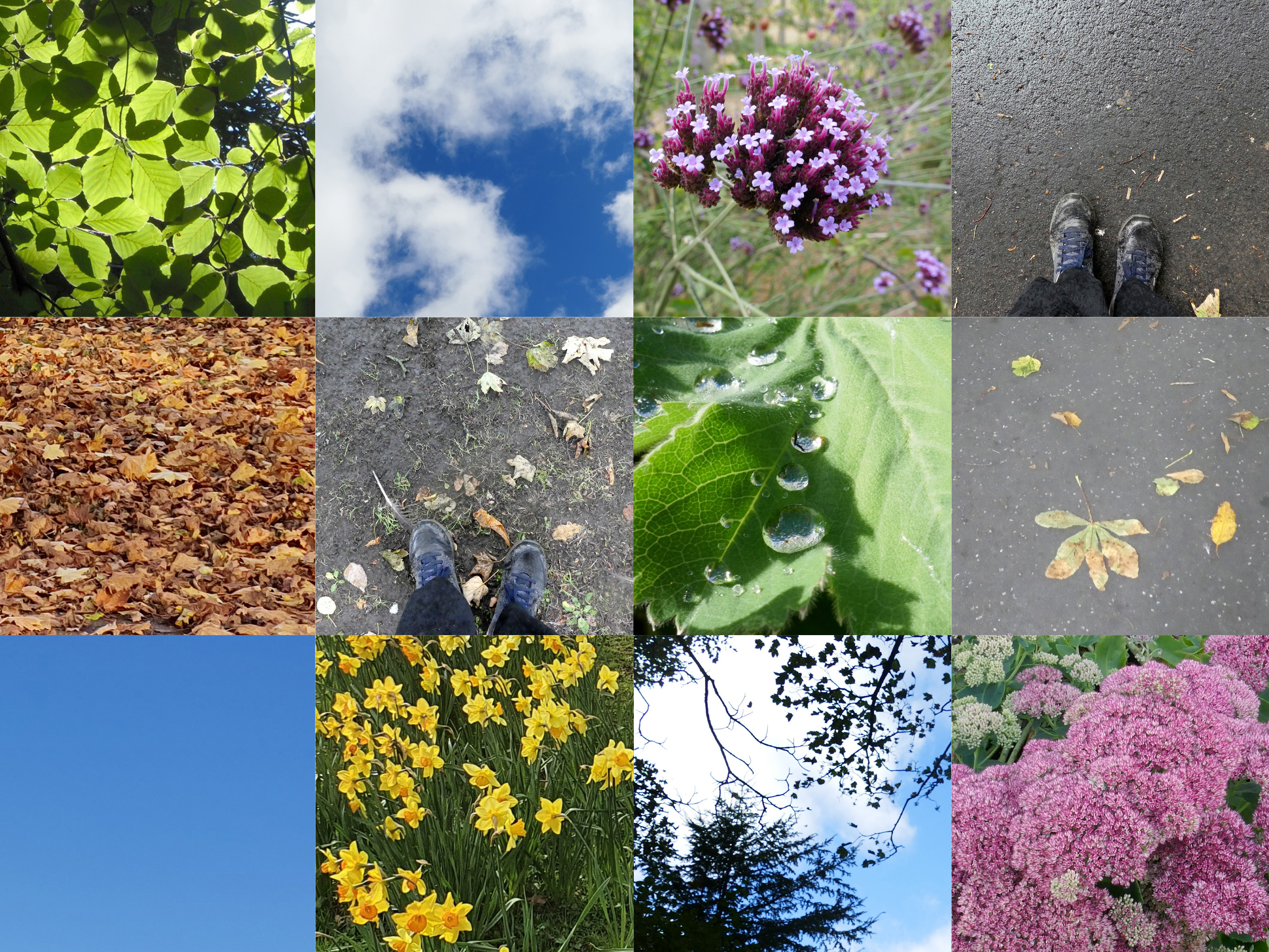
Together, this valuable intel led to a Community Brief comprising six key objectives that the community felt would need to be met for the project to be successful.
Stage 2 then sought feedback on a wide range of potential features, facilities and amenities that could directly address the six key objectives. Only after that did the design team get to work, sharing their ideas at Stage 3 and demonstrating how the engagement process had informed the design.
Our focus throughout this project was to Listen first, and design second.
By engaging before there was anything on the drawing board, we gave the community a genuine opportunity to shape the brief rather than react to proposals that had already been developed.
That was particularly important in a community where previous plans had made limited progress and there were understandable reservations about what another consultation process would achieve.
Our creative approach made space for conversation, explanation and different perspectives, encouraging people to think more deeply about what they valued, how they experienced the park and what different users needed from it.
Crucially, there was a clear thread running from those initial conversations through to the Community Brief, delivery priorities and eventual design proposals. Residents could see how their contributions had influenced the project, helping build trust in both the process and the resulting development plan.
"We knew it was important to bring both creativity and structure to our engagement strategy, making sure it aligned with the client’s Community Power Strategy.
Our staged programme for engaging with the community meant residents were able to share their personal experiences of Castle Park and their aspirations for its future.
The findings from our engagement strategy were fed into the design process early on, and we’ve received very positive feedback from all quarters."
Alison Unsworth , Landscape Architect & Creative Engagement Lead, Layer Studio
