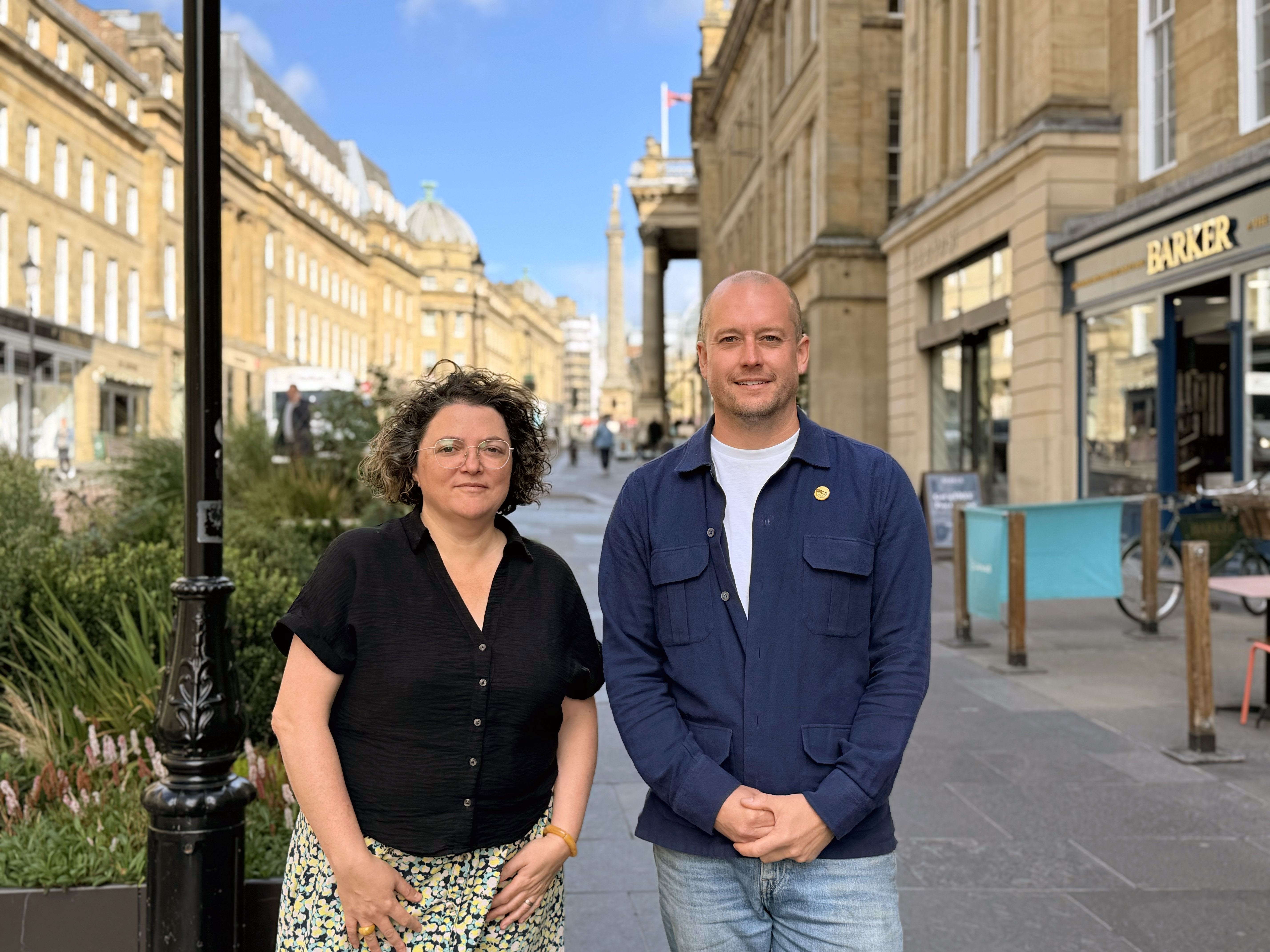
Walking and talking: Matt and Alison on why the best designs start with listening
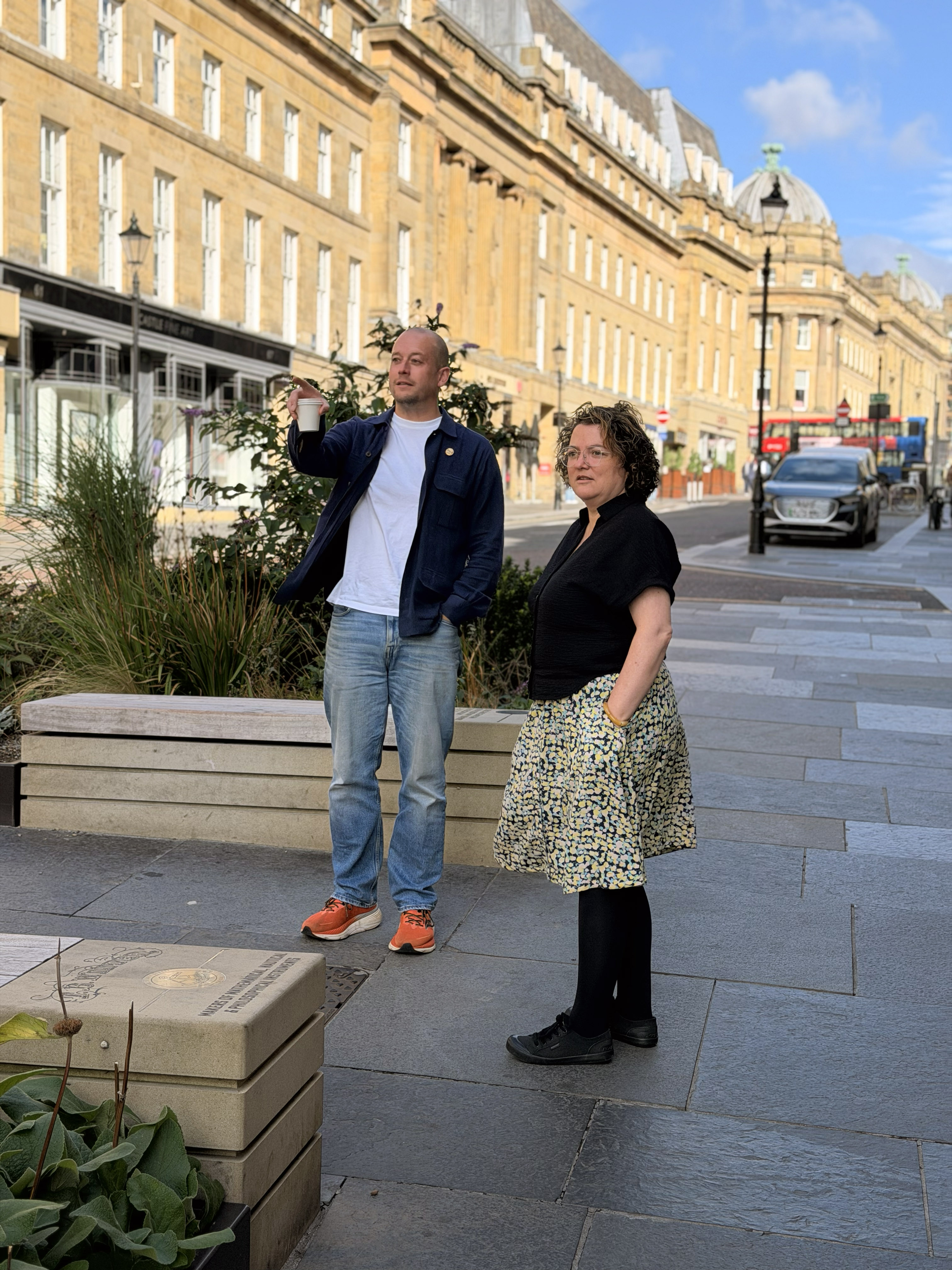
As Layer.studio celebrates its tenth year, we're taking a walk with members of the team to explore the ideas that shape the way we work.
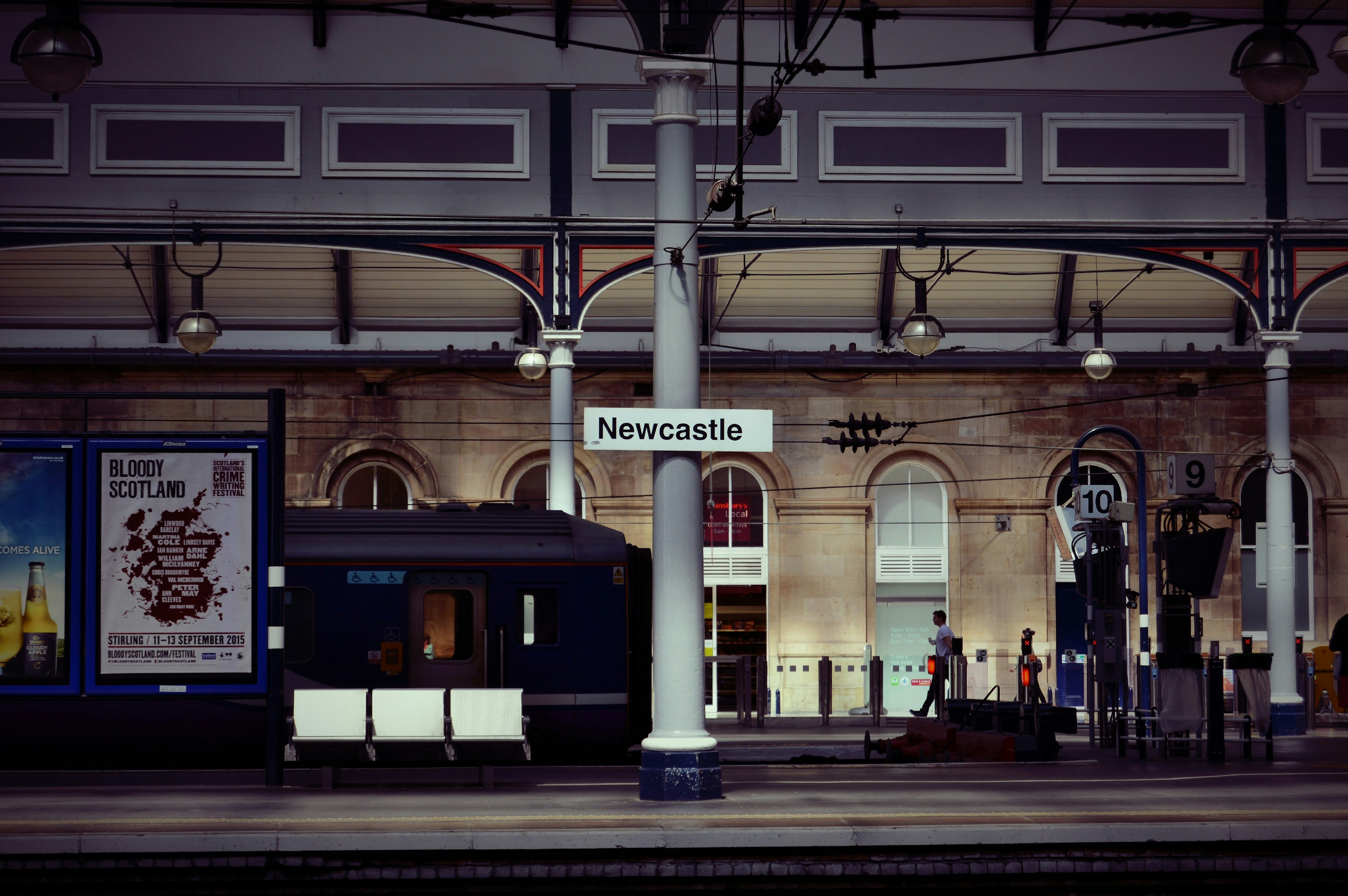
This time, we're in Newcastle with Director Matt and Creative Engagement Lead Alison. They discuss why the best community engagement begins before the drawings, how creative methods empower people to articulate what matters most, and why they believe the North East is entering an exciting new chapter.
Alison, you’ve had an unusual route into landscape architecture. How did you end up leading Layer's creative engagement work?
Alison: My background is in visual arts, particularly around arts engagement in galleries, museums and the healthcare sector. My own art has always been focused on landscapes - whether rural or urban - and I love exploring the creative process with people. At some point I realised I could have a meaningful impact on lives by shaping places so I retrained as a landscape architect.
Since working at Layer I’ve developed our creative engagement offer as part of the landscape team. We were already involving communities in projects, but we've become much more deliberate about how engagement fits into the design process and what value it can add.
Tell us briefly about the distinction between consultation and engagement. What’s different about Layer’s approach?
Alison: Quite often, a fair bit of design work has already happened before communities are brought into the process. By that point, the scheme can already feel quite fixed, so the whole process can feel very much like you’re being told about a scheme rather than being asked meaningful questions with the opportunity to genuinely influence the direction a project takes.
We prefer to begin conversations before anything has been designed.
You really don’t need to have nice visuals to start engagement. Often, the opposite is true. The earlier you start, the more meaningful the conversations become because you're exploring ideas and listening, rather than asking people whether they like Option A or Option B.
It can be messy, and involves the project team putting themselves in a position where they’re not in control of what’ll happen. That creates space for communities to bring their knowledge and experiences of the places they live, work and know well.
Matt: From a design perspective, that's incredibly valuable.
Engagement isn't simply about asking a community what they want and delivering exactly that. Our job is to listen carefully, discern what those conversations are telling us and how that should shape design. Then we synthesise everything we've heard into a coherent design response.
If you wait until a design is largely resolved, you've missed the opportunity to learn from and respond to that knowledge.
What does good engagement actually look like?
Alison: One thing we're very conscious of is avoiding closed or binary questions. We're not conducting a referendum on a design. We're helping people explore ideas, understand different perspectives and think about what really matters to them.
Quite often people don't arrive knowing exactly how they feel about a proposal or even a place. It's the engagement process itself that helps them form those opinions.
Rather than relying solely on written feedback forms, we encourage people to draw, make, discuss and contribute in whichever way suits them best. It's about giving people multiple ways to contribute.
Matt: Engagement doesn't usually produce a single, simple answer. But that's not really the point.
What it gives you is a much richer understanding of the tensions, priorities and opportunities within a place. Those insights help us develop stronger designs, rather than simply collecting a list of requests.
Tell us about a project that really demonstrates that approach
Matt: Castle Park in Penrith is a brilliant example.
Our original scope of works had been quite specific but then Westmorland and Furness Council adopted its “Community Power” strategy - setting out how communities will have a greater say over the places they live. Together with the council, we expanded the programme so that engagement started well before any design work.
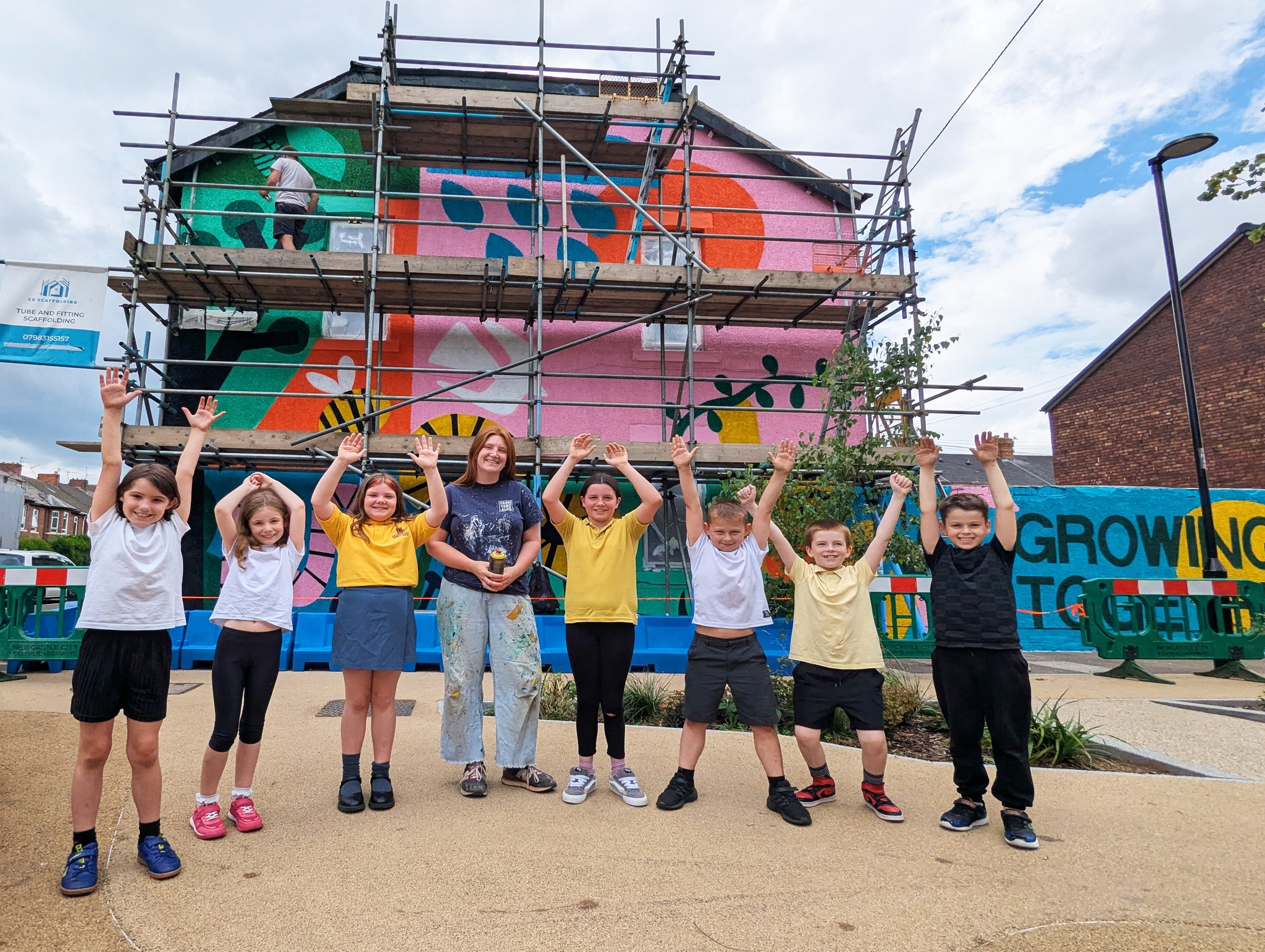
Before we put pencil to paper, we held three rounds of engagement, including school workshops, public events and sending postcards to local care homes asking residents to share their memories of the park. These conversations helped us understand how people used the space, but also what it meant to them.
Alison: By holding several rounds of engagement we were able to meet the same people on more than one occasion, firstly for early conversations and then going back to them with initial design ideas. That really shaped everything that followed.
The transformation in public perception was remarkable. Early on, it was clear we were stepping into a conversation where people held strong opinions and understandable scepticism. By the end of the process, the community had become incredibly supportive because they could genuinely see their views and contributions reflected in the proposals.

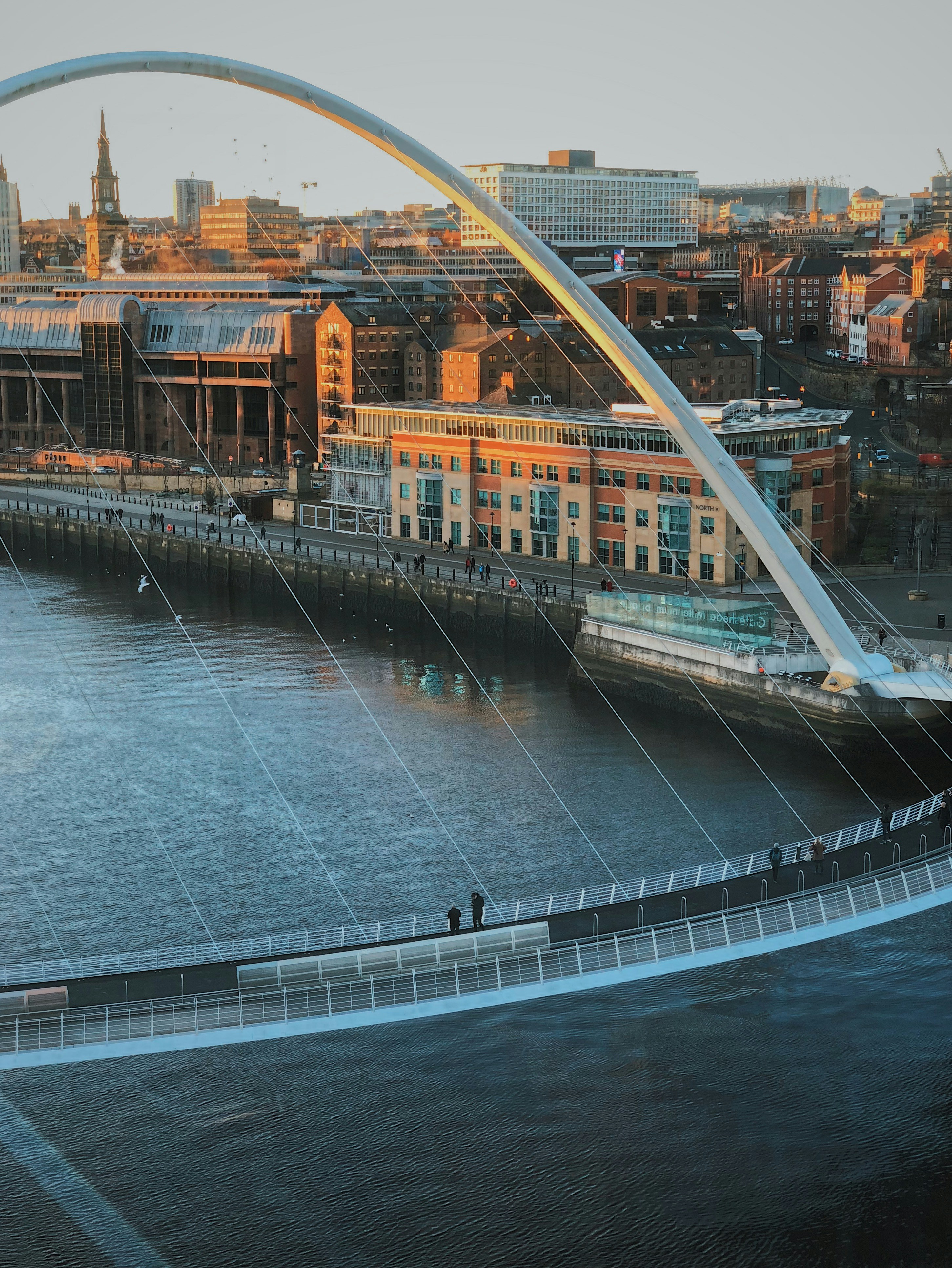
Newcastle has become an increasingly important part of Layer's story. What excites you about working here?
Matt: Newcastle reminds me a lot of where Manchester was around fifteen years ago.
There's huge confidence in the city. You've got two fantastic universities producing talented graduates who are choosing to stay here. You've got major investment coming in, a fantastic coastline, incredible countryside on the doorstep and a growing ambition to shape the city region differently.
The political picture is evolving too. Devolution is creating new opportunities to think strategically across the region, and there's a real appetite for good growth.
That's reflected in the work we're doing. From regeneration work in the Ouseburn with Igloo, to active travel, town centre regeneration and strategic visioning with local authorities, we’re fortunate to be working with ambitious partners who share that optimism for the North East's future.
It's an exciting place to be practising landscape architecture and urbanism.
Finally, what do you hope Layer's approach to engagement leaves behind?
Alison: I hope communities feel they've genuinely been part of shaping the places they'll go on to use every day.
We want people to feel heard, to create space for them to consider the places in which they live and to have had the opportunity to contribute from the very beginning.
Matt: Ultimately, better places come from better conversations.
The earlier those conversations happen, the stronger the project becomes.
Got a project where you want to empower the community from the start?