What if we trusted communities with the public realm?
'Tile Tipping' - ever heard of it?
Matthew Warner, Director at landscape and urbanism studio Layer, explores how the Dutch movement known as tile tipping could inspire a new approach to community stewardship in the UK’s public realm.
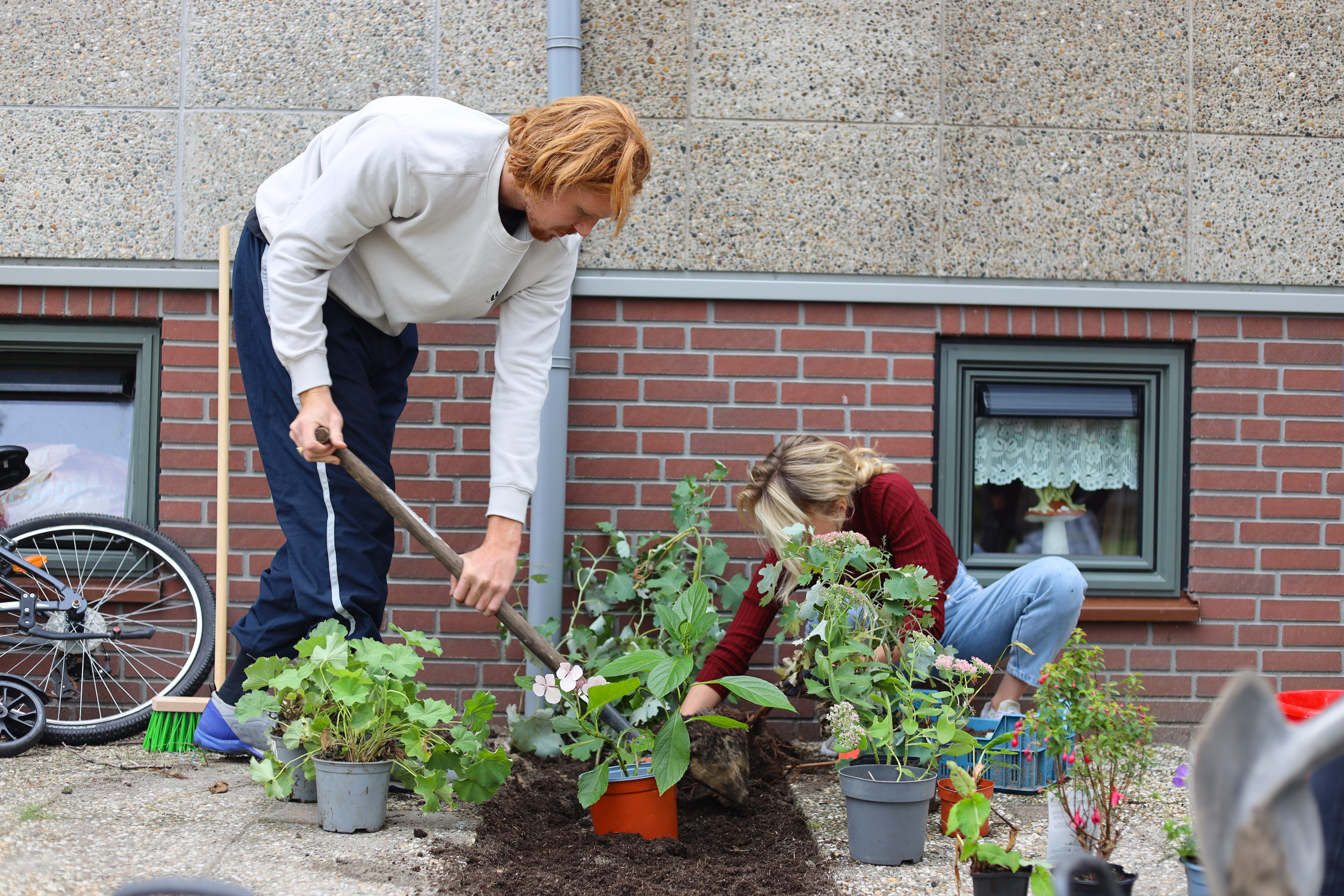
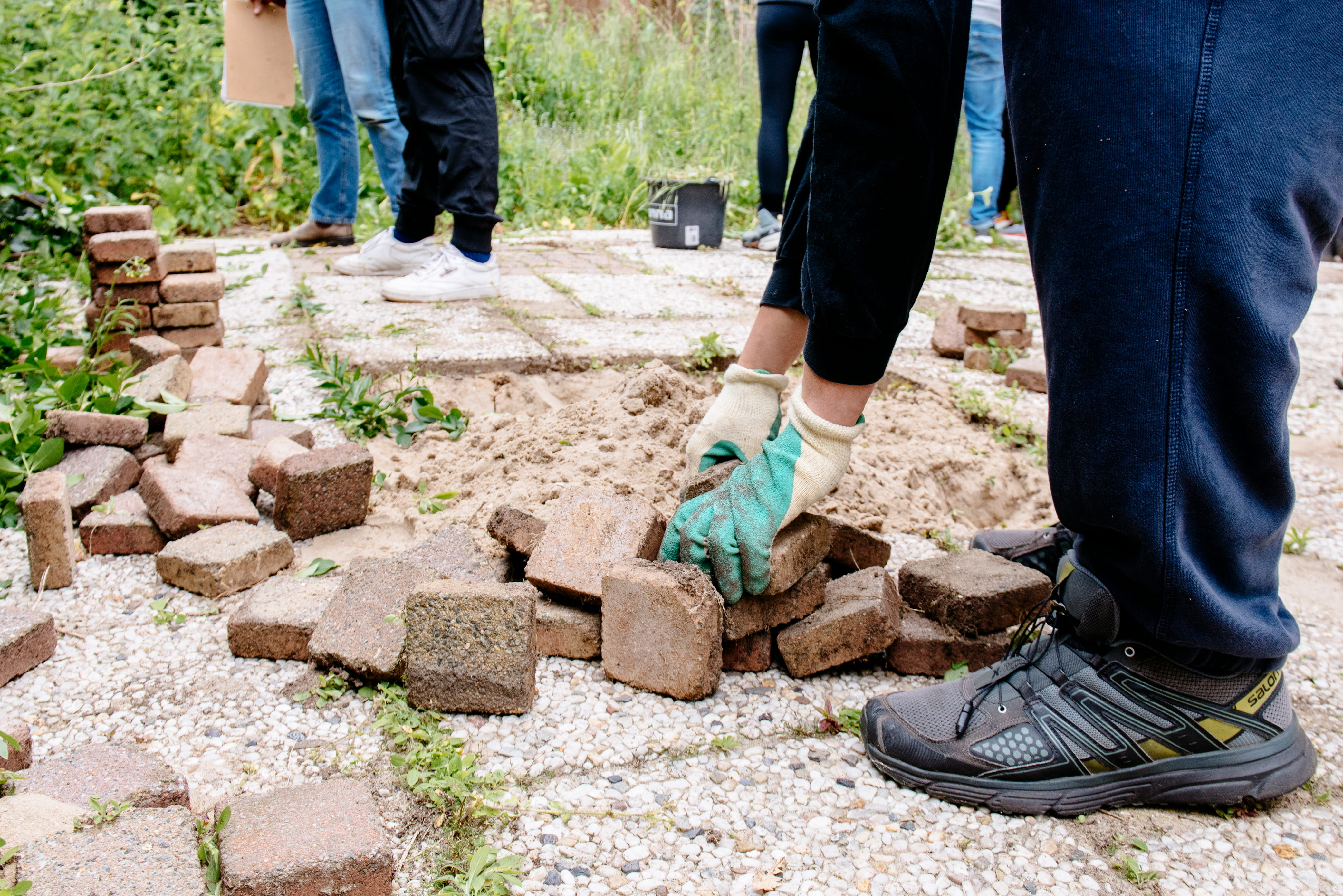
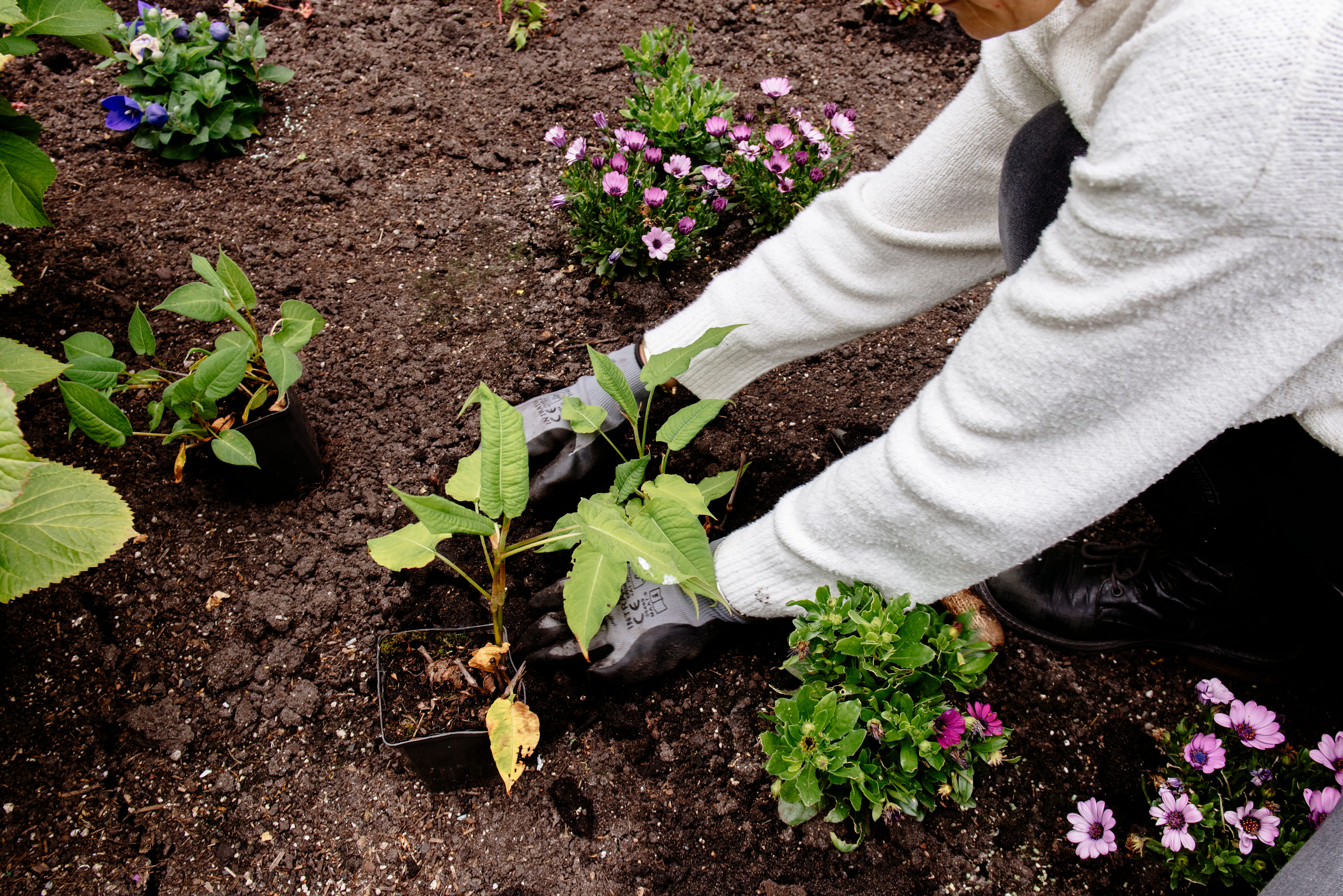
Across the Netherlands, communities are lifting paving slabs and replacing them with planting in a movement known as *Tegelwippen*, or "tile tipping". What began as a simple response to climate change has become something much bigger. Residents, councils and government all play a part in creating greener streets, cooler neighbourhoods and more biodiverse places, one paving slab at a time.
Replacing hard surfaces with planting helps absorb rainfall, reduce overheating and support biodiversity. But tile tipping’s real success lies elsewhere. It has changed the relationship between people and the places they live.
Why has nothing similar taken hold in the UK?
It's tempting to answer with a familiar list of barriers: liability, highways legislation, adoption standards and risk. Those issues are real, but they're only part of the story. The bigger question is one of ownership.
Public space belongs - in principle, if not legally - to all of us, yet many people feel they have little influence over it. Professionals regularly consult communities on proposals and invite comments on masterplans, but opportunities for communities to make small, everyday improvements are rare.
If utility companies can dig up the public highway to maintain infrastructure, should communities also have greater freedom to improve overlooked spaces?
What could a British version look like?
While it wouldn’t be appropriate to copy the Dutch model exactly, the underlying principles of trust and ownership can still apply.
This doesn't have to be a free-for-all. Our accessibility standards and highway regulations are important. But there may just be scope to take a fresh perspective and lower barriers to encourage grassroots action.
The British model could incorporate:
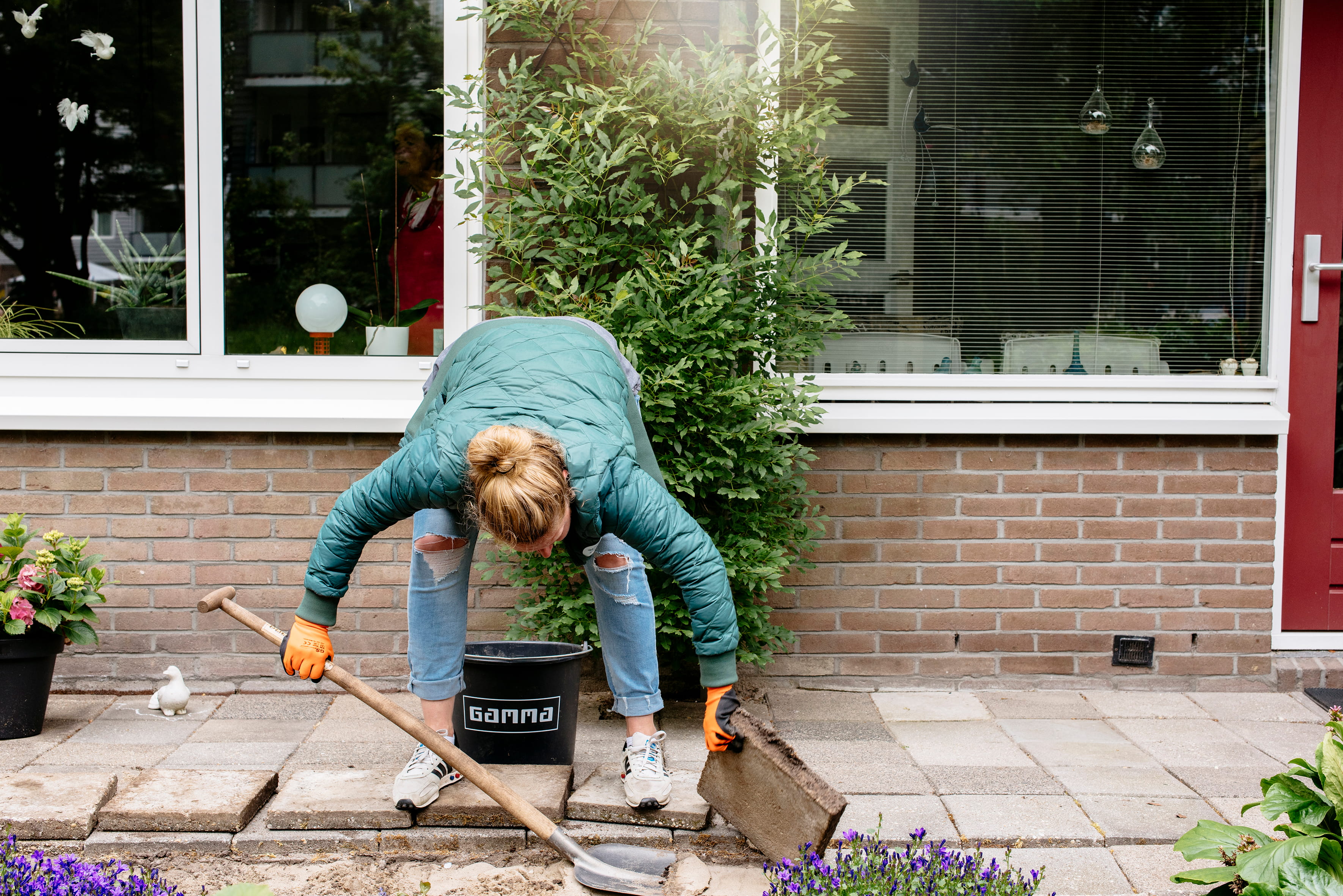
- Community greening zones for small-scale planting and depaving
- Pre-approved interventions for neighbourhood groups
- Temporary planting projects to trial new ideas
- Small grants and practical support for local volunteers
Start with the spaces we've forgotten
Not every street is the right place for tile tipping. But our urban areas are full of overlooked places that are long overdue a bit of TLC.
Rear alleyways and redundant highway land are examples of places that have been forgotten. Left unmanaged, they become magnets for litter and anti-social behaviour.
And what about those ostensibly green areas that could do so much more? Housing estate greens, tree pits and piecemeal grass verges could work harder for people. These spaces are all ripe for a refresh, and exactly where communities with a little creativity could be unleashed.
Given a little care and local ownership, these can all become valued community assets.
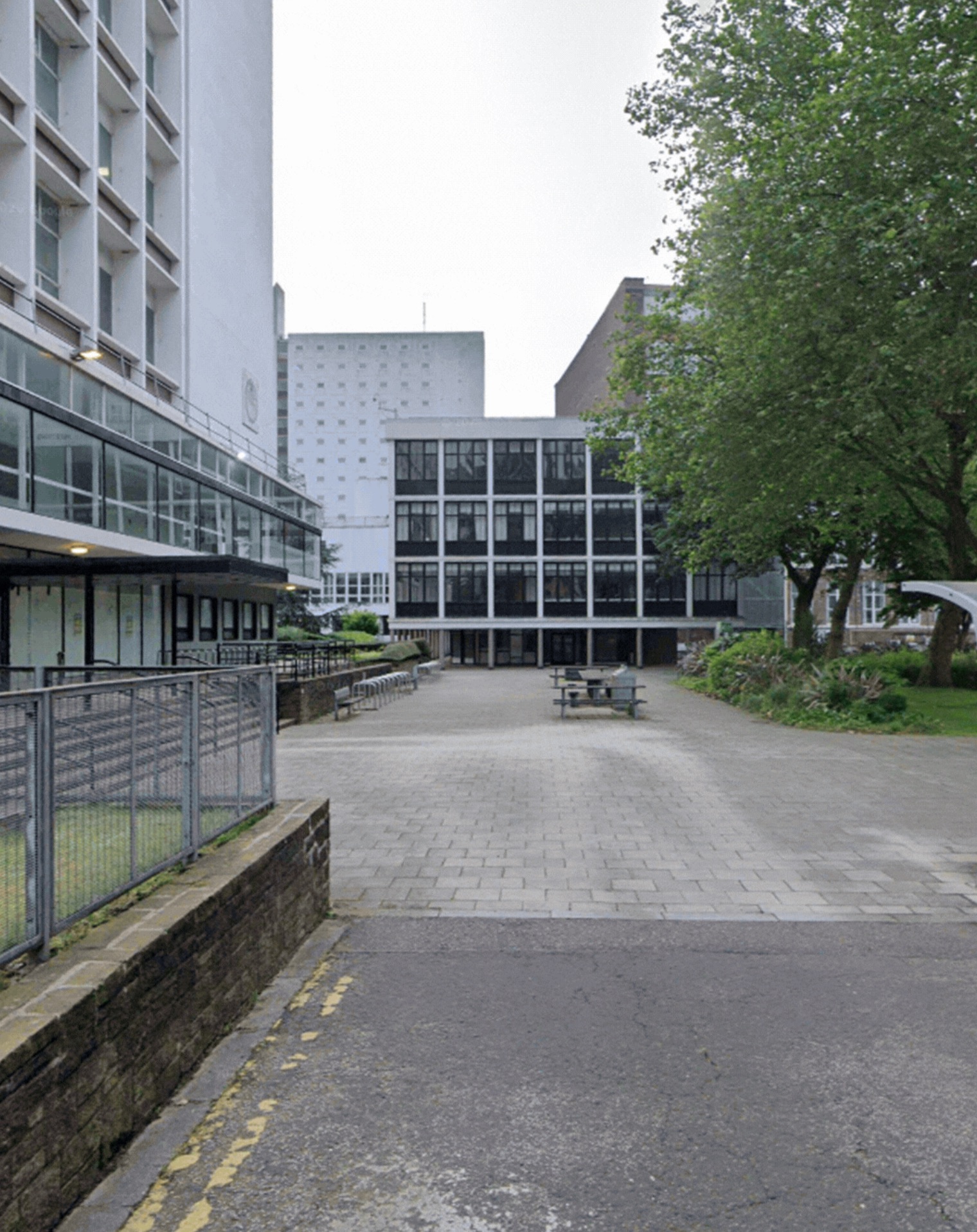
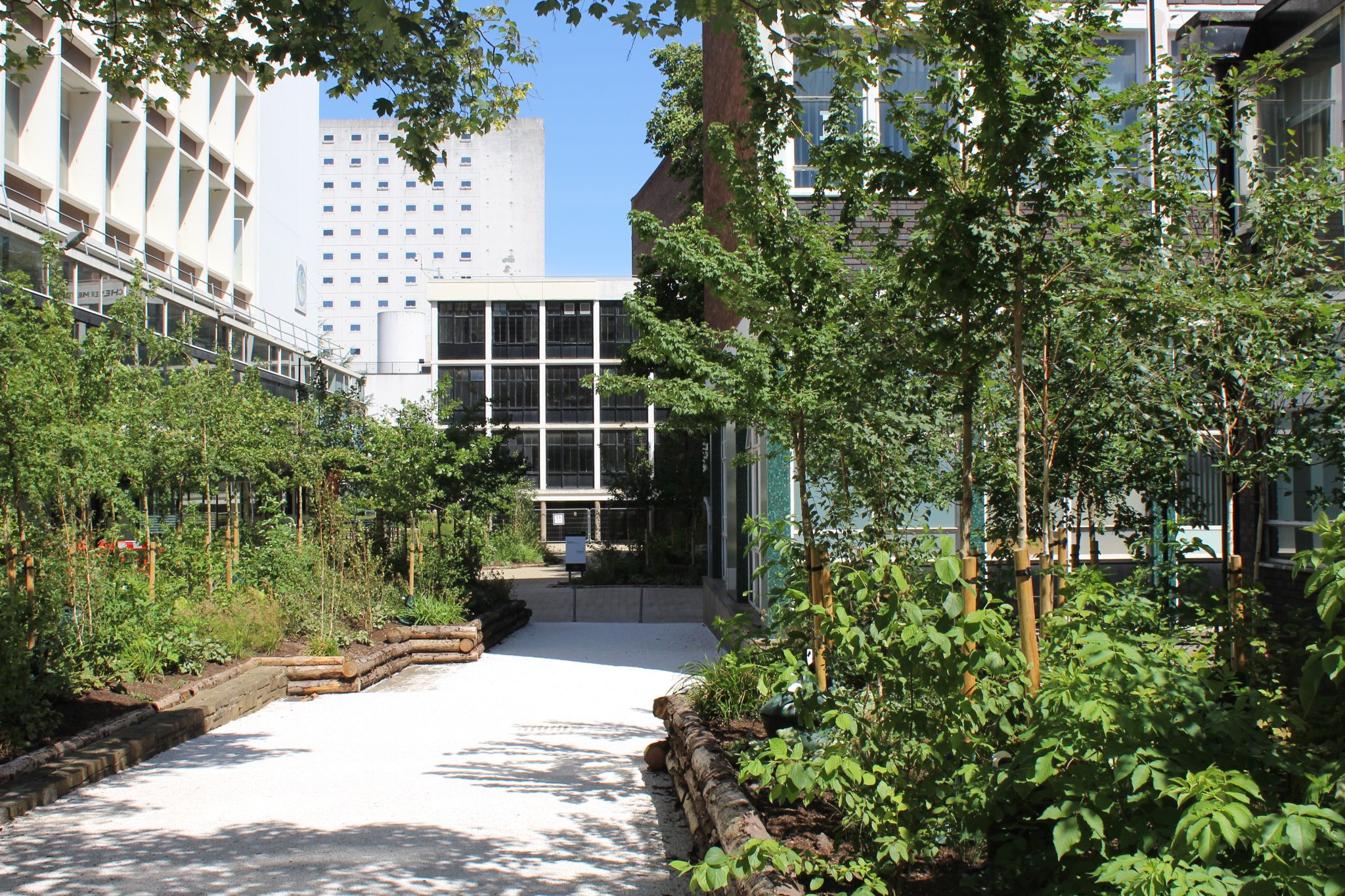
Our Chillizen’s project repurposed a redundant paved area at the end of a terrace into a pocket park with planting, seating and space to gather. This community-led project (in this case, the neighbouring primary school) could be replicated 100 times over by communities if there was a framework in place to do so.
Through our engagement work, communities consistently point to overlooked corners that everyone has learned to ignore. These are exactly the kinds of spaces where incremental, low-tech interventions can be most effective.
Ownership changes behaviour
Stewardship takes hold when people feel they have a genuine stake in a place.
Small interventions matter because they change relationships. A reclaimed corner won't transform an entire neighbourhood overnight, but it can change how people feel about it. Once communities invest in their place, they're more likely to care for it, protect it and encourage others to do the same.
That's why the debate around tile tipping is much bigger than a question over whether or not to remove paving slabs. It's about whether we see communities as passive users of public space or active partners in shaping it.
Britain may never embrace tile tipping as wholeheartedly as the Dutch have, and in some ways it probably shouldn’t. But not every intervention in the public realm requires the same level of scrutiny. If we can distinguish between major infrastructure projects and simple community improvements, we can give communities a greater role. In doing so, we could unlock greener streets, stronger neighbourhoods and a lasting culture of stewardship.
To read more on Sister, click here