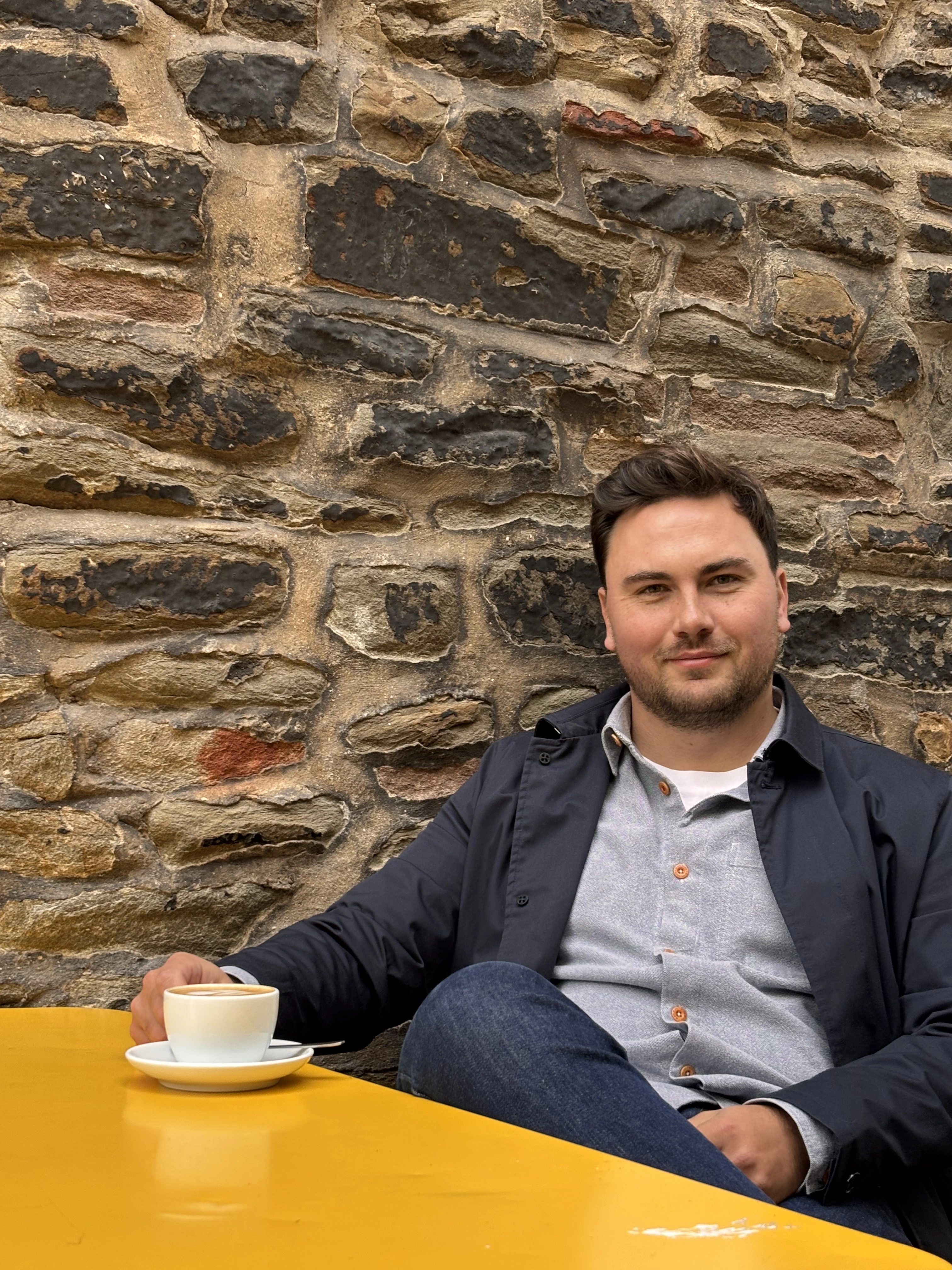
A Walk around the Harbour: Luc on what a Place can tell you in the First Five Minutes
Walk with us as we explore the Layer.studio team's inspirations, latest projects, and unique approach to design.
We're taking a walk with members of our Layer.studio team to dig into what inspires them, the projects they're most excited about and what makes Layer.studio a different type of design practice.
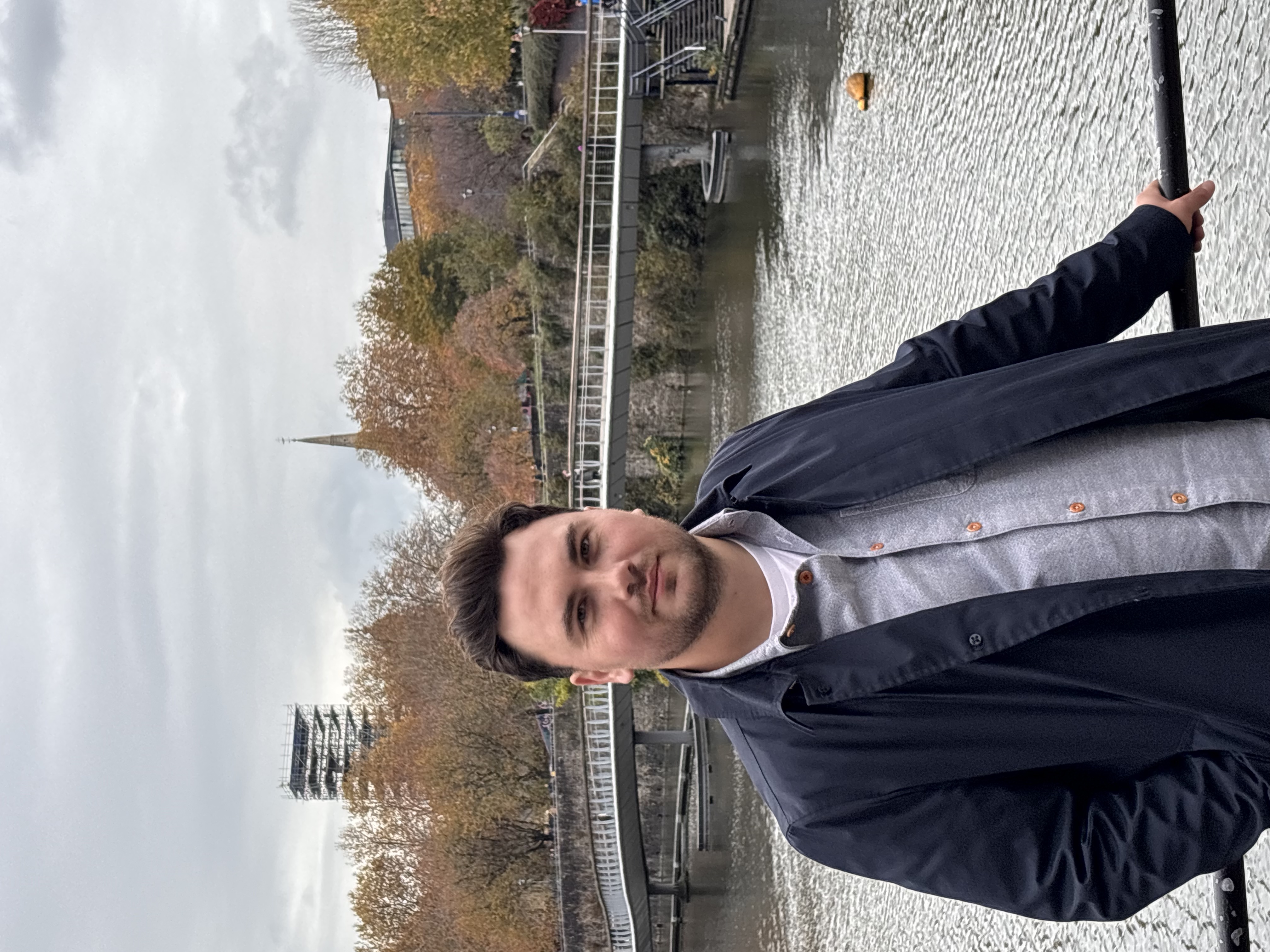
This time, we're catching up with Luc, who leads our Bristol studio. Although the studio has only recently celebrated its first birthday, Layer.studio has been delivering projects across the South West since 2021, with our first built project completing in 2024. We joined Luc for a walk around Bristol’s historic harbourside to talk about designing places people genuinely enjoy spending time in and what’s next for the Bristol studio. It felt a fitting setting, with the city’s waterways connecting places, communities and regeneration opportunities. From the River Frome at Little George Street to the Malago near Metalworks in Bedminster Green, both projects layer.studio has been involved in, these connected waterways offer a common thread in our work shaping Bristol’s evolving urban landscape.
Tell us how an early obsession with sketching turned into a love of landscape architecture
I've always been interested in design and can recall spending many a school lesson doodling hyper-detailed sketches of sports stadia. I didn’t think much of it at the time but, in hindsight, I can see that my interest wasn’t just about the architecture: it was all about the potential of this infrastructure to create atmosphere, identity and bring people together.
When I discovered that landscape architecture was fundamentally about shaping experiences and bringing people and places together, I was all in.
Bristol has had a studio for a year now. How's it going?
It's been brilliant.
We've been delivering work across the South West for the best part of five years and I've personally worked in the region for a decade - so opening the studio was about building on those foundations and creating a local base to support our growing portfolio.
We’re building the studio into an interdisciplinary team with expertise spanning landscape architecture, urban design, community engagement and strategic thinking. We're already doing that work as a practice, and now we're growing the team around it locally.

If we were walking onto a new site together, what would you do first?
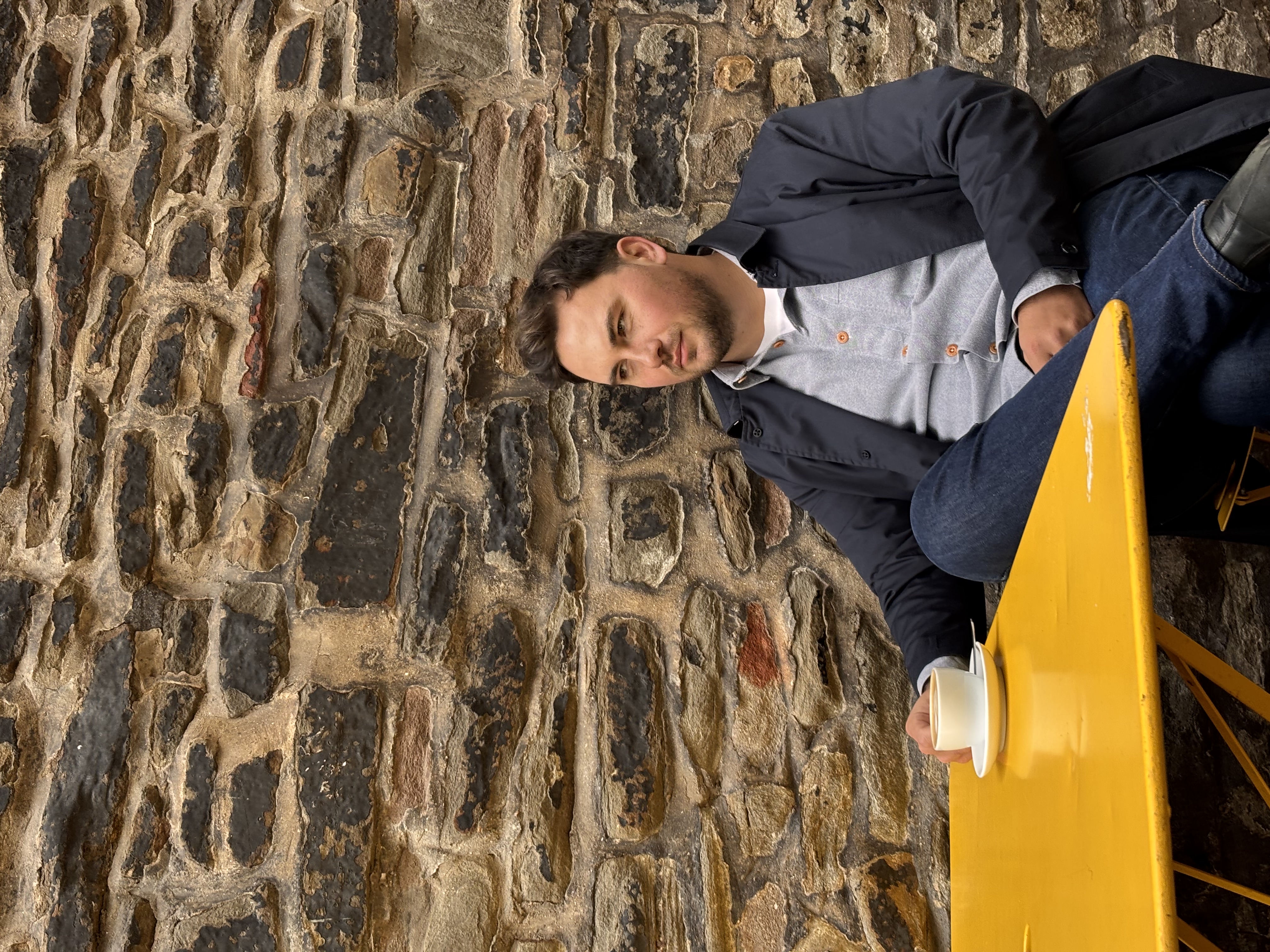
I'd probably suggest we keep the clipboard in the car, grab a coffee nearby first, wander around and simply experience the place. I like to see how people use a space before I start thinking about constraints, opportunities or design solutions.
I'm not someone who turns up with a checklist. I want to understand how a place feels. And you can learn an incredible amount about that just by watching. Where do people naturally gravitate? Which routes do they choose? Which corners sit empty? These are the clues to watch out for.
What have you learnt from watching how people move through places?
One thing that always quickly stands out is whether somewhere feels comfortable.
People instinctively gravitate towards places where they feel relaxed, safe and at ease. They'll choose somewhere with a sense of enclosure while still being able to look out.
If somewhere feels welcoming, people slow down. They'll sit with a coffee, read a book or spend time chatting. If they're moving through quickly, that's usually telling you something too.
As designers, we're trying to create those moments where people choose to pause rather than simply pass through. Beyond that, we're aiming to create places that communities genuinely feel belong to them, because that's what strengthens social infrastructure and builds pride in place.
Is there a project that captures that philosophy?
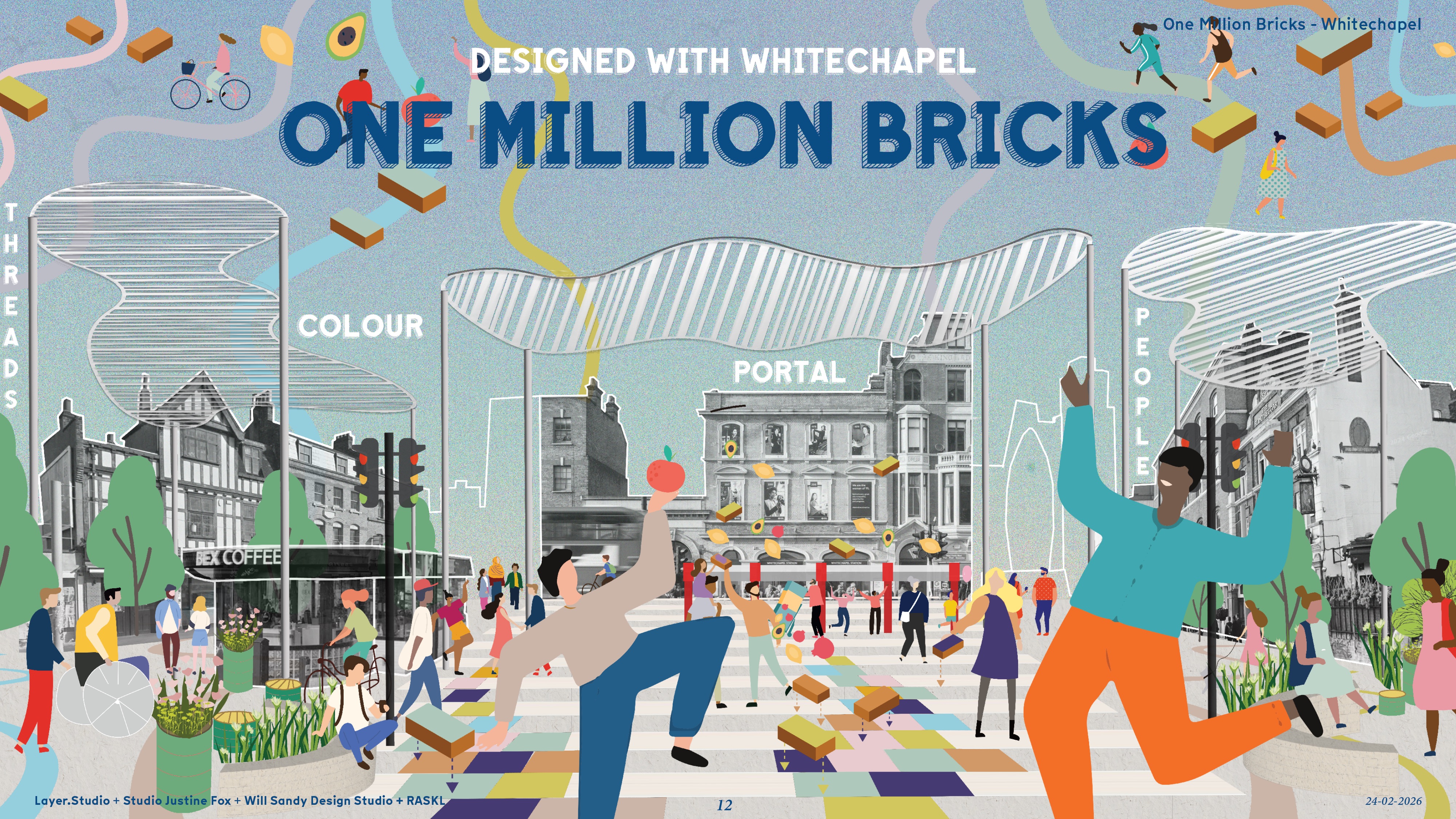
Our recent shortlisting for the NLA’s Gateways to Whitechapel design competition is a really good example. Our scheme explored how colour, ecology and materiality can foster positivity and pride in place. We’ve championed co-design with the community, even right down to reviving a rich history of being a maker’s district through local brickmaking offering the community the opportunity to create the gateways themselves.
It reflects the studio’s approach to community engagement. Our proposal listens and explores ideas, rather than asking people to choose between Option A or Option B. Ownership is what gives a project authenticity.
It's a scheme that really captures how we like to think.
What other projects are keeping you busy in the South West?
Little George Street in Bristol is an exciting one.
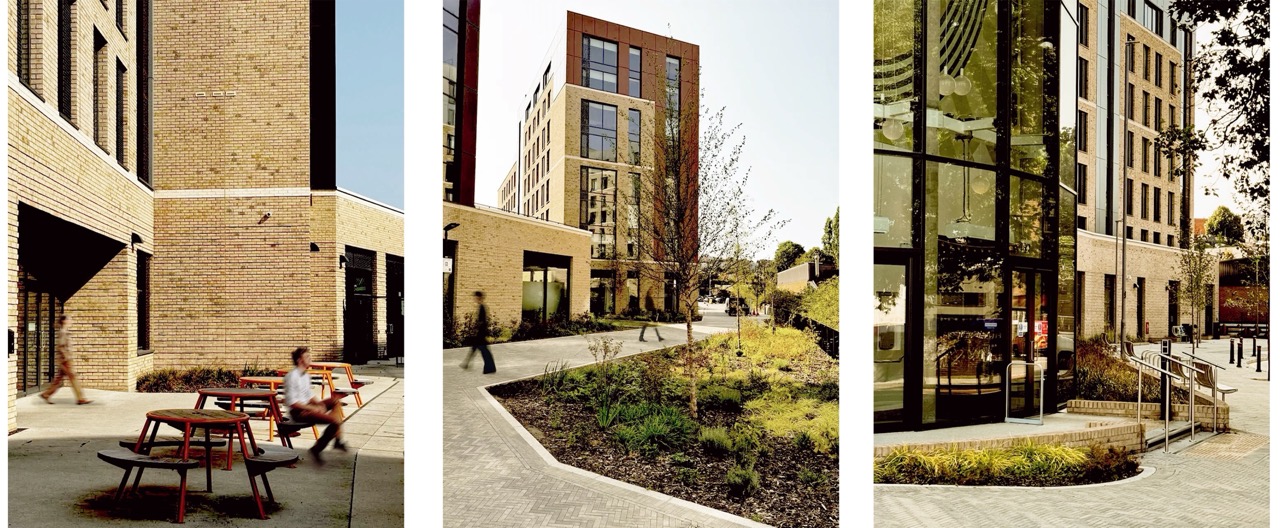
It's part of the wider Frome Gateway regeneration area and sits within a challenging flood zone, so climate resilience has been central to the design from the outset.
We've taken the project on from RIBA Stage 3 and developed the landscape strategy ensuring that it carefully manages surface water through sustainable drainage systems while selecting materials and planting that can cope with both increasingly intense rainfall and longer periods of drought.
It's a good example of how landscape architecture can help cities adapt to climate change and create resilient spaces.
Our work at Metalworks focused on how the landscape could add something meaningful to the student experience, through quality shared spaces that boost ecological value. It’s an important addition to the area that responds to the wider change happening across Bedminster.
What principles guide your work?
I tend to think about every project through at least four lenses.
- People: how will this place support community, culture, health and everyday life?
- Resilience: Then we need to consider near future adaptability to challenges around climate, ecology and water should be designed in from the beginning.
- Form: A project’s nuts and bolts. It’s everything from the masterplan down to the smallest landscape detail and how people will move through a space.
- Finally, there’s delivery: how will the place be funded, managed, maintained and looked after in the long term?
If you can balance those four things, you're heading in the right direction.
What makes Layer.studio different?
We’re problem solvers. Every place has different challenges, so we work hard to understand the problem first and then bring together the right people and disciplines to solve it. Whether that's landscape architecture, urban design, engagement or strategic thinking, we're ultimately here to help clients create better places.
What's the best advice you've ever been given?
Never assume you're the smartest person in the room.
Some of the best projects I've worked on have involved people with specialisms that extend beyond my own; like scientists, ecologists, engineers and community groups.
You don't need to know everything yourself. You need to know how to listen, stay open-minded and bring the right expertise together.
What still gives you the biggest buzz in your work?
At the moment, it's seeing what the Bristol studio can become.
The opportunity to help shape the next chapter of Layer.studio in the South West is hugely motivating. We’re seeing real momentum in Bristol, and being part of that from day one is incredibly rewarding.
Do you have a challenge in the South West that we can help with?
Contact Luc on 07703 891690